

Keeping an air conditioning unit well-maintained is essential for its longevity and performance, especially in a community like Siloam, NC, where summer heat and humidity can put residential cooling systems to the test for months at a time. Scheduling an annual spring tune-up, inspecting and cleaning the condenser unit, replacing air filters regularly, and keeping condensate drains clear are all foundational steps. Monitoring refrigerant levels, optimizing coil efficiency, and catching minor issues early round out a complete maintenance approach. Following this ten-point checklist helps ensure the system runs reliably and efficiently all season long.
Maximizing the Longevity of Your AC Unit: The Importance of Regular Maintenance
It is easy to take an air conditioning unit for granted when it is working the way it should, but regular maintenance is what keeps it in that condition over the long term. A consistent maintenance routine helps units run efficiently year-round, reducing energy bills and avoiding costly repairs that result when small problems go unaddressed.
Key maintenance tasks include cleaning the condenser coils, changing air filters on schedule, and having refrigerant levels inspected by a qualified technician. Scheduling annual tune-ups with a professional HVAC technician adds another layer of protection by catching developing issues before they become system-level failures.
In service calls throughout Siloam and the surrounding Surry County area, the units that consistently perform best and last longest are those receiving regular professional attention. Investing a modest amount of time and money in routine care is one of the most cost-effective decisions an AC owner can make. Jay’s serves homeowners looking for that professional support throughout the maintenance cycle with AC and HVAC services in Siloam, NC.
1. Optimal Timing for Your Annual AC Tune-Up
Timing the annual AC tune-up correctly makes a meaningful difference in how well prepared the system is for seasonal demand.
Spring is consistently the best time to schedule a professional AC tune-up. Having the service completed before the hot summer months arrive ensures the system is in peak condition when it needs to perform most reliably. Many HVAC companies fill their schedules quickly as temperatures climb, so scheduling an appointment in May or early June helps avoid the scheduling delays that come with peak-season demand.
Proactive scheduling before warm weather settles in allows technicians to thoroughly inspect and service the system without the urgency of a hot-weather breakdown. Regular pre-season maintenance extends the unit’s lifespan, lowers energy costs, and eliminates the stress of discovering a problem on the first genuinely hot day of the year. The practical guidance is straightforward: schedule as early in the spring as possible. The earlier the appointment is booked, the more flexibility there is in timing and the lower the risk of being caught without a functioning system when temperatures rise.
2. Inspecting and Cleaning the Condenser Unit
The outdoor condenser unit is one of the hardest-working components in any residential AC system, and keeping it clean and clear is essential for efficient operation.
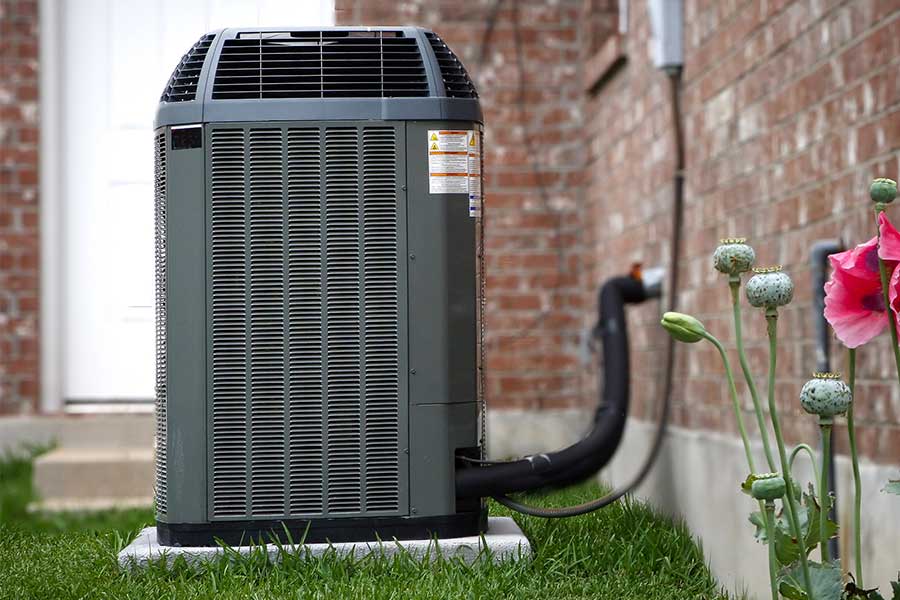
Over time, the condenser coils accumulate dirt, debris, and vegetation, restricting airflow and reducing the unit’s ability to release heat effectively. Keeping the coils clean maintains the heat transfer efficiency on which the system depends. The area around the outdoor unit should also be kept clear of grass, shrubs, and stored items that could obstruct airflow to and from the unit.
Condenser coil maintenance is best handled as part of a professional tune-up, where technicians use appropriate cleaning solutions and tools to thoroughly clean the coil without damaging the delicate coil fins. The condenser fan draws air through the coils, and its condition directly affects how efficiently the unit can reject heat. Fan blades should be checked for damage or debris buildup, and the motor should be evaluated for signs of wear. A failing fan motor often produces unusual sounds during operation before it stops working entirely, making early detection during a professional inspection far preferable to an unexpected mid-season failure.
3. Ensuring Proper Air Filter Performance
Air filter condition is one of the most direct influencers of AC efficiency and indoor air quality. A clean, properly fitted filter allows the system to draw in the airflow it needs for effective heat transfer. A clogged filter restricts that airflow, forcing the system to work harder and shortening the lifespan of key components.
Recommended filter maintenance practices include:
- Monthly filter checks with replacement every one to three months, depending on usage and environmental conditions
- Correct filter sizing to prevent air from bypassing the filter around the edges
- Appropriate filter resistance ratings that do not impede airflow or strain the blower motor
- Timely replacement of disposable filters when visibly loaded with debris
Consistently maintaining filters consistently reduces energy consumption and extends system life between professional service visits. Air filter replacement as part of a professional tune-up ensures that the correct filter type is installed and that the system’s baseline airflow is confirmed.
4. Maintaining Condensate Drains and Lines
During normal operation, an AC unit removes moisture from the air and drains it away through the condensate drain line. When that line becomes clogged, water backs up, potentially causing damage to the system and surrounding building materials.
Regularly checking the condensate drain line for blockages or leaks is a straightforward preventive step. Keeping the line sloped properly to allow drainage and periodically treating it with a small amount of bleach or vinegar helps prevent algae and mold buildup, which can commonly cause clogs. Addressing a blocked condensate line promptly prevents the water damage and system malfunctions that develop when the issue is ignored. Condensate system inspection is included in a comprehensive AC maintenance annual tune-up in Siloam, NC.
5. Evaluating Electrical Components and Wiring
Electrical components and wiring are among the most commonly overlooked aspects of AC maintenance, yet their condition directly impacts system safety and reliability. Deteriorating wiring, loose connections, and failing electrical components are responsible for a significant share of unexpected AC breakdowns.
A thorough electrical evaluation during an annual tune-up includes:
- Inspecting the condition of wiring and connections for signs of wear, fraying, or looseness
- Checking voltage and amperage readings against the manufacturer’s specified ranges
- Testing the capacitor, contactor, and other electrical components for proper function
- Cleaning dirt and debris from the electrical panel and connection points
Proactive electrical inspection catches developing issues before they cause a system failure or create a safety concern. This is not a maintenance task that should be deferred.
6. Monitoring and Adjusting Refrigerant Levels
Refrigerant levels within the system must remain within the manufacturer’s specified range for the AC to operate efficiently. Too little refrigerant limits the system’s ability to absorb heat, while too much puts excessive strain on the compressor. Either condition reduces efficiency and shortens system lifespan.
Professional technicians use specialized tools to measure the refrigerant charge accurately and make precise adjustments as needed. Maintaining correct refrigerant levels is a straightforward but critical element of any comprehensive maintenance visit, and it is one of the key reasons annual professional service delivers measurable value beyond what homeowner-level maintenance alone can provide.
7. Optimizing Evaporator and Condenser Coil Efficiency
The evaporator and condenser coils are where heat is exchanged to cool the home, making their condition central to system efficiency. Dirty, damaged, or improperly charged coils undermine performance at the most fundamental level.
Four practices that keep coil efficiency at its best:
- Regular coil cleaning to remove dirt, debris, and buildup that impede airflow and heat transfer
- Maintaining proper airflow by keeping filters clean and the outdoor unit surroundings clear
- Sustaining the correct refrigerant charge, since over- or undercharging directly diminishes coil performance
- Addressing physical issues such as bent fins or coil leaks promptly to restore full functionality
Optimizing coil efficiency is one of the highest-impact elements of a professional AC tune-up and directly affects energy consumption, cooling capacity, and long-term system durability.
8. Lubricating Critical Moving Parts
Several moving components within the AC system require periodic lubrication to operate smoothly and avoid premature wear. These include the blower motor that circulates conditioned air through the home, the condenser fan motor that draws air over the outdoor coil, the compressor that circulates refrigerant through the system, and any additional pulleys and bearings present in the specific unit configuration.
Applying a thin, even coat of the manufacturer-recommended lubricant to fan motor and blower motor bearings minimizes friction and supports efficient, quiet operation. Over-lubrication creates its own problems by attracting debris and causing leaks, so following manufacturer specifications for both the type and quantity of lubricant is important. Lubrication should be checked and replenished during the annual professional maintenance visit, with the specific lubricant type and application frequency varying by unit.
9. Inspecting the Thermostat and Controls
The thermostat and system controls are the interface between comfort settings and actual system operation. A thermostat that reads temperatures inaccurately, fails to communicate correctly with the system, or uses a programming schedule that no longer reflects actual household patterns will cause the AC to run inefficiently, regardless of how well the mechanical components are maintained.
A professional maintenance visit includes verifying that the thermostat is reading accurately, that the system responds correctly to cooling calls, and that any programmed schedules are appropriate for current usage patterns. Upgrading to a programmable or smart thermostat during a maintenance visit is also an opportunity worth considering for homeowners still using older manual models, since the energy savings from automated setback scheduling can be meaningful over a full cooling season.
10. Identifying and Addressing Minor AC Issues Before They Escalate
Based on what we see in Siloam, NC properties, the most costly AC repairs are almost always issues that started small and were allowed to develop into larger system failures over one or more seasons. A worn fan belt, slightly low refrigerant, a loose electrical connection, or early coil fouling are all manageable when caught during a routine inspection. The same issues left unaddressed can result in compressor failure, water damage, or complete system breakdown during the hottest stretch of summer.
Emergency HVAC repair is available when unexpected failures do occur, but the goal of a thorough annual maintenance program is to make emergency calls the exception rather than the rule. The investment in consistent proactive maintenance is invariably less than the cost of the repairs and disruption it prevents.
Keeping Your Siloam Home Cool and Efficient All Season
A diligent AC maintenance routine delivers consistent returns in comfort, efficiency, and system longevity throughout the cooling season. For Siloam homeowners, the combination of regional summer heat and humidity makes proactive maintenance especially worthwhile to protect against mid-season breakdowns.
At Jay’s Heating, Cooling & Plumbing, every maintenance visit in Siloam and throughout Surry County is completed with the expertise and thoroughness needed to address every item on this checklist correctly. When you are ready to schedule a spring tune-up or have the system evaluated, contact our team today, and we will make sure the AC is ready for whatever the season brings.