

A leaky faucet in White Plains, NC, might seem like a minor inconvenience. Still, if left unaddressed, it can lead to water waste, higher utility bills, and damage to surrounding fixtures and cabinetry. Understanding the anatomy of the faucet, knowing what to look for, and recognizing when the job calls for a professional are all part of handling the situation properly. Here is what homeowners in White Plains should know about faucet leaks and how to resolve them.
1. Understand the Anatomy of a Faucet
Faucets consist of several key components: the handle, stem, cartridge, and aerator. The handle controls water flow; the stem connects the handle to the internal workings; the cartridge regulates water pressure; and the aerator mixes air into the water stream at the spout.
When one of these parts wears out or is damaged, a leak often results. Understanding how each piece functions helps a technician quickly diagnose the issue and identify the right repair approach. It also helps homeowners communicate more clearly about what they are experiencing when they call for service. Faucet issues can sometimes signal hidden plumbing problems, making it worthwhile to have a professional take a look before a small drip becomes a larger problem.
Jay’s provides sink and faucet repair in White Plains, NC, to handle leaks, inspections, and anything else a home’s plumbing system may need.
2. Identify the Source of the Leak
Before any repair can be made, pinpointing the exact source of the leak is essential. A thorough inspection of the visible components and the water flow path gives a technician the information needed to identify the root cause and apply the right fix.
A proper inspection starts with the visible parts of the faucet. The handle should be checked for looseness or damage, and the faucet stem examined for signs of wear or corrosion. The faucet seat, springs, washers, and O-rings all deserve careful attention as well, since any of these components can cause a persistent drip.
With the visible components inspected, the next step is to identify the exact point where water is escaping. Common leak sources include the base of the faucet, the stem, and the joints connecting internal components. In some cases, the leak may be internal and only visible once the faucet is partially disassembled. A methodical approach to this step is what separates a lasting repair from a temporary fix.
Tracing the path water takes from the inlet through the faucet and back again reveals where worn washers, gaskets, or O-rings may be allowing water to escape. Identifying the exact failure point ensures the right components are replaced, rather than guessing and hoping the drip will stop. When a leak is not immediately visible at the faucet, water leak detection and repair can accurately locate hidden leaks using specialized equipment.
3. Gather the Necessary Tools and Supplies
Proper faucet repair requires having the right tools on hand before work begins. A basin wrench, slip-joint pliers, replacement washers or O-rings, and protective cloths to cover the work area are all standard parts of a professional’s toolkit. For more involved repairs, additional components, such as a basin toolkit or a set of Allen wrenches, may be needed, depending on the faucet style.
Working in homes across White Plains, technicians arrive prepared for whatever the job requires, which is one reason repairs are completed correctly on the first visit rather than requiring a return call.
4. Shut Off the Water Supply
Before any disassembly begins, shutting off the water supply is a critical step to prevent flooding and water damage during the repair.
The main water supply valve is typically located near the water heater or under the sink. Turning it off stops water flow to the faucet and allows work to proceed safely. Once the valve is closed, opening the faucet briefly releases any remaining pressure in the line and makes the repair environment much more manageable.
Under the sink, flexible supply lines connect the shut-off valves to the faucet. Identifying these lines and disconnecting them properly is a necessary step before the faucet can be fully accessed and repaired. Care should be taken not to twist or damage the lines during this process, as damage to the supply lines can create a separate plumbing issue.
5. Remove the Faucet Handle
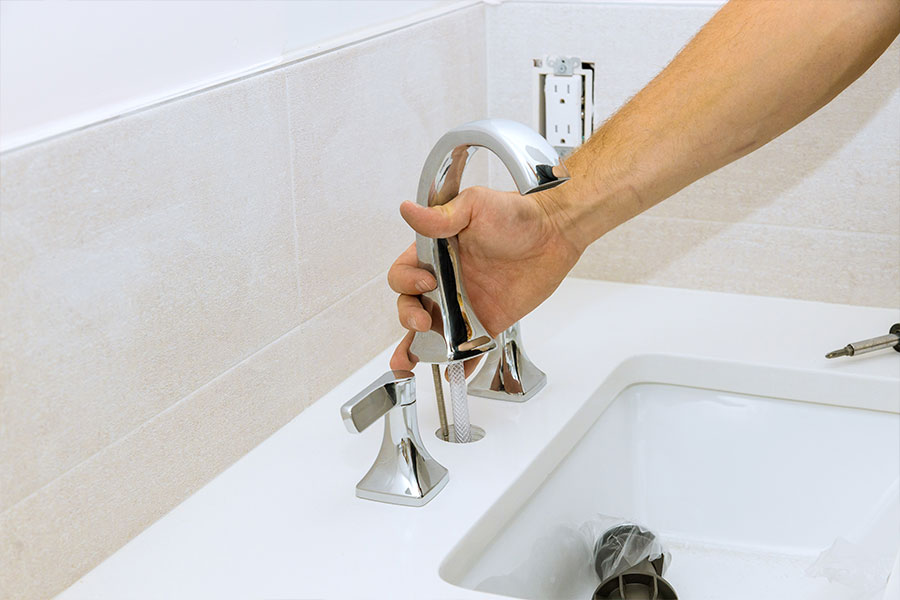
Accessing the internal components of a faucet requires removing the handle, which is typically secured by a small screw. Once the screw is removed, the handle can be carefully pulled away from the faucet body. Some handles require gentle wiggling or prying to release. Patience at this step prevents damage to the handle or the valve beneath it, which would unnecessarily complicate the repair.
6. Inspect and Replace Washers or Gaskets
With the handle removed, the washers and gaskets that regulate the faucet’s seal can be inspected. Cracked, hardened, or unevenly worn washers and O-rings are among the most common causes of dripping faucets. Replacing these components with exact-match parts resolves most standard faucet leaks quickly and reliably.
If the drip continues after new washers and gaskets are installed, the issue may lie with the faucet cartridge or other internal mechanisms, which require further diagnosis by a qualified technician.
7. Properly Reassemble the Faucet
Reassembly follows the reverse order of disassembly. The faucet stem goes back into the body first, followed by the correctly positioned washers and gaskets, and finally the handle. Connections should be snug but not overtightened, as excessive force on faucet components can create new problems or damage the fittings.
8. Test for Leaks and Make Adjustments
Once the faucet is reassembled, restoring water to the line and testing for leaks confirms whether the repair was successful. All connections should be checked for drips, and the faucet should be operated several times to verify smooth, leak-free performance. If a drip persists, it is a strong indicator that the cartridge or valve seat needs professional attention rather than further attempts at repair.
9. Prevent Future Faucet Leaks
Keeping faucets in good condition over the long term comes down to a few consistent practices.
- Periodic professional inspections of washers, seals, and O-rings allow worn components to be replaced before they fail.
- Higher-quality faucet hardware, particularly models with ceramic disc valves, reduces the frequency of future repairs.
- Monitoring home water pressure is worthwhile, as excessive pressure accelerates wear on faucet internals. A pressure-reducing valve is a straightforward solution if high water pressure is identified as a contributing factor.
Faucet repair and installation provide White Plains homeowners with a professional assessment of their fixtures and plumbing system.
10. When to Call a Professional Plumber
Some faucet repairs go beyond what a simple parts swap can resolve, and knowing when to call a professional protects both the home and the repair investment.
Certain plumbing issues require specialized knowledge and equipment that go well beyond faucet repair. Sewer line clogs or damage caused by tree roots or corrosion, burst pipes that require fast response to prevent water damage, and water heater malfunctions all fall into the category of work that a licensed professional should handle. Attempting these repairs without the right training and tools can make the situation significantly worse.
Faulty gas lines, sewer backups, and major leaks carry real safety risks when handled improperly. Mistakes in these situations can lead to water damage, electrical hazards, or more serious consequences. Based on what we see in White Plains properties, many of the most costly plumbing repairs started as smaller issues that were handled incorrectly before a professional was called in. For situations that cannot wait, emergency plumbing service is available around the clock.
Keeping White Plains Homes Leak-Free
A leaky faucet is one of those problems that rewards prompt attention. Catching it early, understanding what is causing it, and having it properly repaired prevents wasted water and avoids the downstream damage that a persistent drip can cause over time.
At Jay’s Heating, Cooling & Plumbing, faucet repairs and full plumbing services are handled for homeowners throughout the White Plains area with the same level of care and professionalism that goes into every job. When you are ready to get it fixed right, contact our team today, and we will take it from there.