
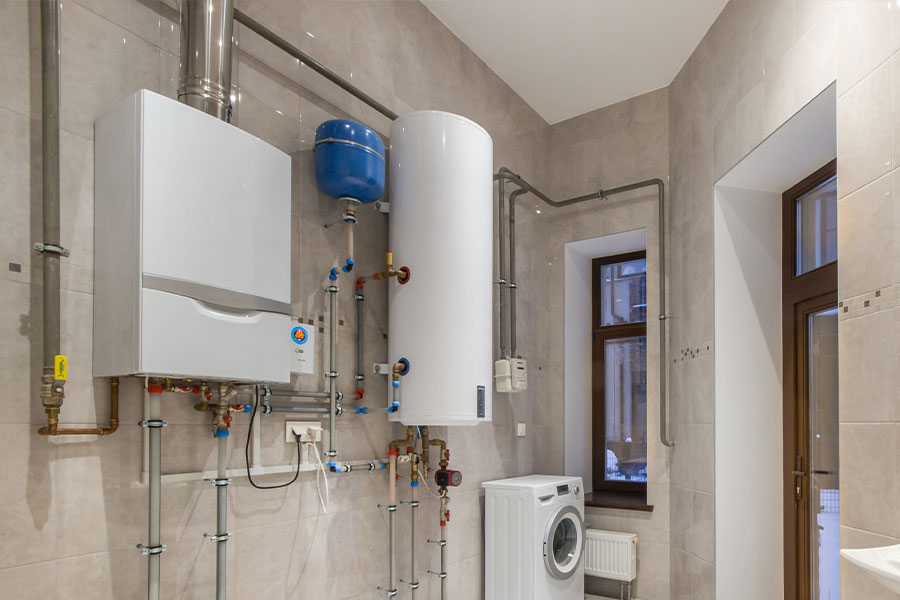
Boiler problems rarely announce themselves at a convenient time. More often than not, they surface on the coldest nights of the year, when the last thing anyone wants is to diagnose a heating issue from scratch. For homeowners in Cana, VA, understanding the most common boiler problems, what causes them, and what professional service looks like is genuinely useful knowledge that can prevent small issues from turning into expensive emergencies. Here is what every Cana homeowner should know.
1. No Heat or Insufficient Heat
A boiler that is running but failing to adequately heat the home is one of the most common service calls we receive throughout the Cana area. Several factors can cause this symptom, which is why a systematic professional assessment is more reliable than guessing at the cause.
Common contributors include a thermostat that is not communicating correctly with the boiler, low water pressure in the system, air trapped in the lines preventing proper circulation, or a circulation pump that has partially or fully failed. In some cases, the issue is as straightforward as a tripped circuit breaker, while in others it points to a more significant internal component failure.
For homeowners dealing with insufficient heat, Jay’s offers furnace repair in Cana, VA, with fast diagnostics and reliable repairs to restore warmth before the next cold night sets in.
2. Strange Noises From the Boiler
Unusual sounds coming from a boiler are worth paying attention to. Different types of noise typically correspond to different types of problems, and identifying the sound is often the first step toward understanding what is happening inside the system.
- Banging or knocking: Often called kettling, this sound is frequently caused by limescale buildup on the heat exchanger or water boiling too aggressively inside the unit.
- Whistling: Usually indicates a pressure buildup or a partial blockage somewhere in the system.
- Gurgling: Points to trapped air in the pipes or inadequate water circulation.
- Hissing or sizzling: May indicate a small leak near a hot component, or steam escaping from somewhere it should not be.
- Rumbling: Often caused by sediment accumulation at the bottom of the boiler.
- High-pitched whining: Frequently associated with a failing circulation pump.
None of these sounds should be ignored. During our service calls throughout Cana and the surrounding Carroll County area, unaddressed boiler noise consistently leads to more significant, more expensive repairs down the road.
3. Leaking or Dripping Water
Water leaking from a boiler warrants prompt professional attention. The source of the leak matters enormously, as different origins indicate different underlying problems with different levels of urgency.
Common causes of boiler leaks include:
- Loose pipe connections or fittings: Joints can work loose over time, especially in systems that experience significant pressure fluctuations.
- Corrosion: Rust developing on the boiler body or internal components can eventually create openings through which water escapes.
- Faulty pressure relief valve: This valve is designed to release water when pressure exceeds safe levels. If it is leaking consistently, it may signal a pressure problem or have simply worn out and needs replacement.
- Internal heat exchanger failure: Cracks or deterioration in the heat exchanger can allow water to escape, and this type of repair typically requires professional diagnosis and service.
Shutting off the boiler and the water supply when an active leak is discovered prevents additional water damage while waiting for a technician. Beyond that, boiler leaks are not situations where improvised fixes provide a reliable, long-term solution.
4. Pilot Light Issues
A pilot light that will not stay lit is a common issue in older boiler systems and one that has several potential causes. A dirty or obstructed pilot orifice, a misaligned or failing thermocouple, a draft in the mechanical room, or an underlying gas supply issue can all prevent the pilot from reliably holding a flame.
The thermocouple is particularly worth noting. This small safety component detects whether the pilot light is burning and shuts off the gas supply if it does not detect a flame. When the thermocouple wears out or becomes misaligned, it may cut off gas to a functioning pilot, causing repeated outages. A qualified technician can assess whether the thermocouple needs adjustment or replacement, and whether the pilot issue is pointing to anything more significant in the system.
Any situation involving a suspected gas supply problem or an odor that might indicate a gas leak should be treated as an emergency. Turn off the gas supply, ventilate the space, and contact a professional immediately.
5. Low Water Pressure
Boilers require adequate water pressure to circulate heated water effectively throughout the home. When pressure drops below the system’s operating threshold, most modern boilers are designed to shut down automatically as a protective measure, so low pressure can appear as a heating failure before the pressure issue is identified.
Low pressure can result from a slow leak somewhere in the system, a faulty expansion vessel, or a pressure relief valve that has been releasing water due to an underlying pressure problem. Simply topping up the pressure without identifying the root cause will result in the same issue recurring. A professional inspection determines whether the pressure loss is a symptom of a more significant problem that needs to be addressed directly.
6. Thermostat Malfunctions
A thermostat that is not functioning correctly can cause a boiler to behave erratically, running too long, cycling on and off too frequently, or failing to respond to temperature changes in the home. Before concluding the boiler itself is at fault, the thermostat is always worth evaluating.
Common thermostat issues include inaccurate temperature sensing, unresponsive controls, dead or low batteries, and, for smart thermostats, connectivity problems that prevent remote communication with the boiler. In homes where the thermostat has not been updated in many years, upgrading to a compatible modern unit can improve both system responsiveness and energy efficiency.
A qualified technician performing a thermostat repair and installation evaluation can determine whether the thermostat is contributing to a boiler performance issue and identify the appropriate solution, whether that is a repair, a recalibration, or a full replacement.
7. Boiler Cycling On and Off
A boiler that repeatedly turns on and off in short intervals, a behavior known as short cycling, is working harder than it should and wearing out components faster as a result. It is also a sign that something in the system is preventing normal operation.
Short cycling can be caused by a malfunctioning thermostat sending incorrect signals, low water pressure triggering automatic shutoffs, clogged or restricted airflow through filters or flue passages, or a circulation pump that is not moving water through the system efficiently. Oversized boilers can also short-cycle if they generate heat faster than the system can distribute it.
Regardless of the cause, short cycling should be diagnosed and corrected. Beyond the comfort implications, a boiler that constantly starts and stops consumes more energy and accelerates wear on its components. Scheduling furnace and boiler maintenance regularly is one of the most effective ways to catch the conditions that lead to short cycling before they fully develop.
8. Radiator Problems
Cold, unevenly heated, or noisy radiators often indicate issues related to the broader boiler system rather than the radiators themselves. Trapped air is one of the most common culprits, creating cold spots at the top of the radiator and gurgling or bubbling sounds during operation. Addressing trapped air requires bleeding the affected radiators, which is a job for a qualified technician who can also assess whether the air introduction is a one-time occurrence or a sign of an ongoing system issue.
Uneven heating between radiators can also result from a hydraulic imbalance in the system, where some radiators receive significantly more flow than others. Proper system balancing corrects this and improves both comfort and efficiency. Any radiator that is actively leaking needs immediate attention, as water damage and the mold growth that follows can develop quickly in the surrounding structure.
9. Corrosion or Rust
Corrosion is one of the more serious long-term threats to a boiler system. It develops gradually, accelerated by oxygen in the water, improper pH levels in the system fluid, or the presence of dissimilar metals in older systems. Left unaddressed, corrosion leads to leaks, reduced heat transfer efficiency, and ultimately component or system failure.
Early signs of corrosion include discolored water, rust-colored staining around joints or on the boiler body, unusual sounds caused by flaking scale, and an unexplained increase in heating costs. Maintaining proper water chemistry and scheduling regular professional inspections are the most effective preventive measures. When corrosion has already progressed to a significant degree, a professional technician experienced in heat pump and heating system repair can assess the extent of the damage and determine whether repair or replacement is the more cost-effective path forward.
10. Smells or Odors Emitting From the Boiler
Unusual odors from a boiler are never to be dismissed. Different smells point to different problems, and some require immediate action.
- Rotten egg odor: This is the scent of mercaptan, the additive used to make natural gas detectable. Any suspicion of a gas leak requires turning off the gas supply, evacuating the area, and calling for emergency service from outside the home. Do not operate any switches or appliances before leaving.
- Burning or metallic smell: Often indicates overheating components or an electrical issue within the boiler. The unit should be shut down and inspected before resuming use.
- Musty or damp smell: Can indicate moisture accumulation around the boiler or within the ductwork and structure nearby, which creates conditions favorable for mold growth.
In all of these cases, the appropriate response is to shut down the system and contact a professional rather than attempting to identify the source independently.
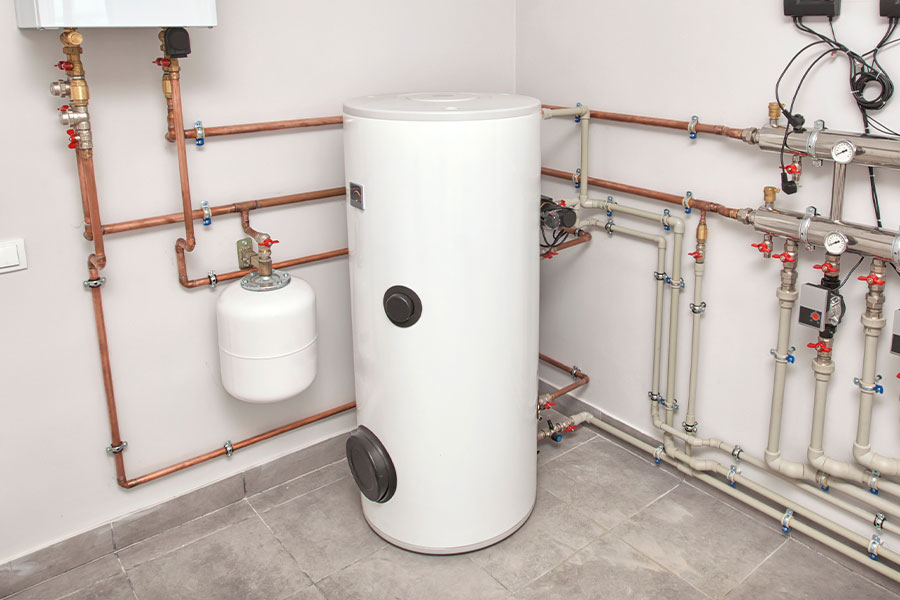
Jay’s Way: Keeping Cana Homes Warm All Winter
Boiler problems range from straightforward maintenance issues to complex failures that require experienced diagnosis and professional repair. For homeowners in Cana, VA, knowing what to look for and when to call for help is the difference between a minor inconvenience and a prolonged heating outage during the coldest stretch of the year.
At Jay’s Heating, Cooling & Plumbing, four generations of Foothills expertise back every service call, along with a genuine commitment to getting the job done right. When your boiler needs attention, contact our team today, and we will have someone on the way.